Silfra by Night: Freediving Under the Stars in Iceland

Most people experience Silfra in the familiar rhythm of a daytime tour — morning light, tectonic walls glowing teal and green, the slow drift through the Cathedral. The night tour is something else entirely. When the sun drops below the Icelandic horizon and the stars emerge over Þingvellir, Silfra becomes a completely different place.

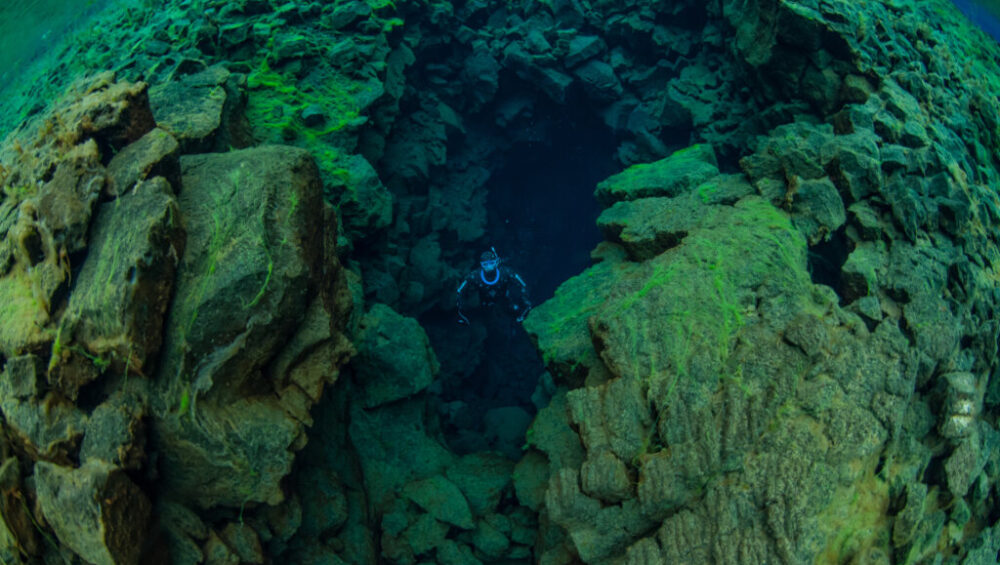
The water at night takes on a deeper, more mysterious quality. Torchlight cuts through the darkness and catches the algae in vivid contrast against the black rock walls. Visibility remains extraordinary — glacial water does not change character after dark — but the atmosphere shifts from spectacular to otherworldly. Freediving in this environment feels meditative, almost spiritual.

The night tour is guided by experienced instructors who know Silfra’s contours intimately. Group sizes are kept small, which means the experience is more personal than many daytime tours. The silence underwater is total. Above the surface, depending on the season, you may be treated to the northern lights rippling overhead — one of the most memorable skies in the world.

This tour is recommended for those who have already done a daytime dive at Silfra and want to take the experience further, though confident first-timers are absolutely welcome. Come prepared for cold — the temperature does not change after dark.

Silfra by day is breathtaking. Silfra by night is something you will spend years trying to describe to people who were not there.
First Time in Silfra: A Complete Beginner’s Guide

You do not need to be an experienced diver to experience Silfra. Every year, thousands of first-timers slip beneath the surface of this glacial fissure and come up transformed. If you are planning your first visit, here is everything you need to know before you arrive.

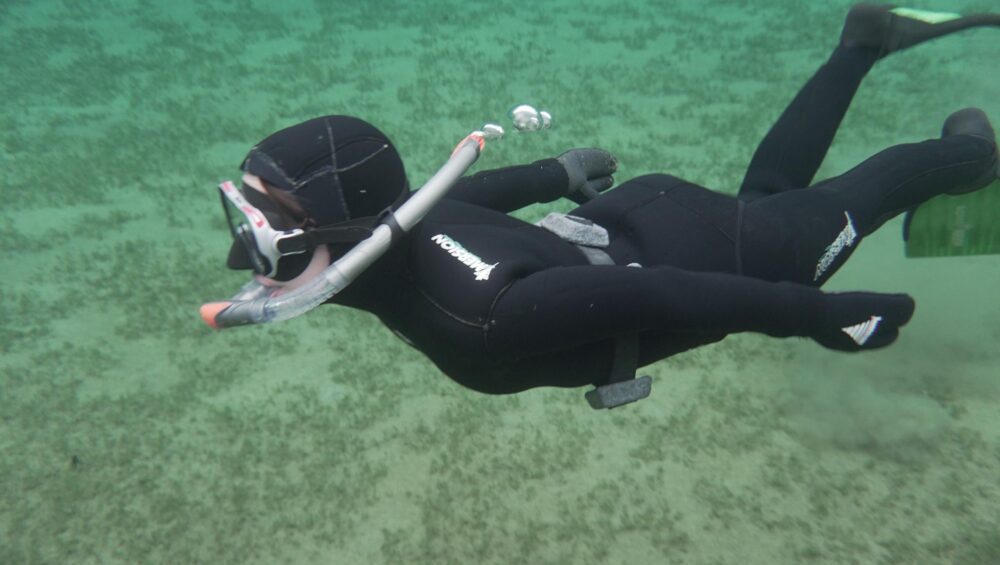
First, decide on your experience type. Snorkelling requires no prior experience and is the most accessible way to see Silfra. Freediving tours are suitable for anyone comfortable in water and able to hold their breath for a few seconds — your guide will coach you through basic technique. Scuba diving requires an Open Water certification or higher and also a drysuit certification.

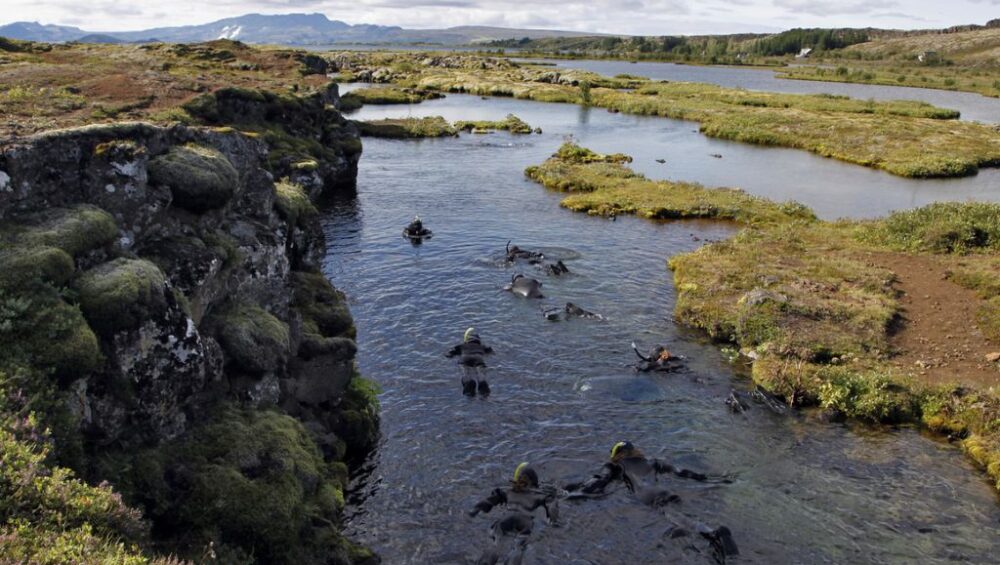
Arrive at Þingvellir National Park with time to spare. Your guide will meet you at the Silfra car park (you can park at P5 car park) and brief the group before you suit up. The changing process takes around 20–30 minutes. Wetsuits are fitted on-site and your guide will check everything is secure before you enter the water.

The water entry is a short walk from the changing area. The cold on your face is the first thing you will notice — it is sharp and clarifying, like nothing else. Within a minute, you will forget about the temperature entirely and start absorbing the views. The water is so clear it looks almost unreal, more like flying than swimming.

The tour typically lasts around two and a half hours including briefing, suiting up, the dive itself, and changing back. Warm drinks after the dive are very welcome. Dress normally and remember to take a towel and swimsuit with you for the wetsuit. Silfra is unforgettable. The only mistake is not booking it.

Diving the Crack Between Two Continents

Somewhere between the golden lava fields of southwest Iceland lies one of the most extraordinary dive sites on the planet. Silfra is a fissure in the earth where the North American and Eurasian tectonic plates slowly drift apart — at a rate of roughly two centimetres per year. The result is a deep, water-filled crack that cuts through the floor of Þingvellir National Park, a UNESCO World Heritage Site, and offers divers the surreal experience of touching two continents simultaneously.

The fissure has been filling with glacial meltwater from Langjökull glacier for thousands of years. That water filters slowly through porous lava rock for decades before emerging crystal-clear into Silfra, producing visibility that can exceed 100 metres — some of the best in the world. The water temperature holds steady between 2°C and 4°C year-round, which sounds brutal but is part of what makes the dive so pristine.

Silfra is divided into four distinct sections: the Hall, the Cathedral, the Lagoon, and the Crack itself. Each offers a different character — from the wide open grandeur of the Cathedral to the narrow, electric-blue tunnel of the Crack. Vivid green and purple algae cling to the walls, glowing in the filtered Arctic light.

Whether you arrive as a freediver, snorkeller, or scuba diver, Silfra delivers something no other dive site can. You are not just underwater. You are between worlds, suspended in glacial silence at the junction of two continents. It is, without question, a bucket-list experience.